

Everyday life can become challenging when work, family responsibilities, household tasks, and personal goals all compete for your attention. Managing everything at once can feel overwhelming, but simple and practical habits can make daily routines easier. Staying organized, planning ahead, and focusing on important tasks can help reduce unnecessary pressure.
The best lifestyle improvements do not require complicated methods or major changes. Preparing things in advance, keeping your home organized, using checklists, creating flexible routines, and making time for yourself can save valuable time. Small adjustments can also make it easier to handle unexpected responsibilities without disrupting your entire schedule.
These practical ideas help busy parents, professionals, students, and anyone who wants to improve their daily routine. The goal is to develop realistic habits that fit naturally into your lifestyle. By introducing one improvement at a time and staying consistent, you can become more organized, productive, and confident while managing everyday responsibilities and creating more time for the things that matter.
Table of Contents
- Start Your Day With a Simple Plan
- Keep Your Home Organized
- Prepare Things in Advance
- Learn to Prioritize Tasks
- Make Time for Yourself
- Avoid Unnecessary Complications
- Use Lists to Remember Important Things
- Create a Flexible Routine
- Spend More Time on What Matters
- Make Small Improvements Consistently
- Why Practical Life Tips Matter
- Future Planning for an Easier Lifestyle
- Conclusion
Quick Information Column
| Area | Practical Tip | Main Benefit |
|---|---|---|
| Daily Planning | Create a short daily task list | Better organization |
| Home | Keep frequently used items in fixed places | Saves time |
| Preparation | Prepare important things the night before | Easier mornings |
| Productivity | Complete important tasks first | Reduces stress |
| Self-Care | Schedule regular personal breaks | Helps you recharge |
| Organization | Use digital or written checklists | Prevents forgetting |
| Routine | Keep your schedule flexible | Handles unexpected changes |
| Lifestyle | Focus on meaningful activities | Better balance |
| Habits | Improve one habit at a time | Sustainable progress |
| Future Planning | Set realistic weekly goals | Long-term improvement |
1. Start Your Day With a Simple Plan
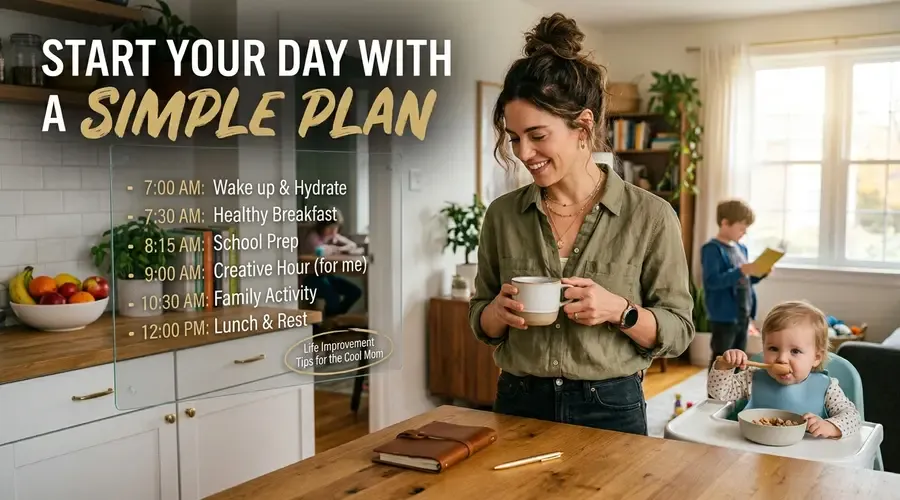
A clear plan can help you understand what needs to be done without feeling overwhelmed. Start your morning by identifying two or three important tasks that need your attention. Writing them down makes your responsibilities easier to manage and helps you stay focused throughout the day.
Avoid creating a long list that is difficult to complete. Instead, divide larger tasks into smaller steps and complete them one at a time. This approach can improve productivity while giving you a sense of progress. A few minutes of planning each morning can make the rest of your day more organized and less stressful.
2. Keep Your Home Organized
An organized home can save time and make daily routines smoother. Give frequently used items a specific place and return them after use. This makes it easier to find things when you need them and prevents unnecessary clutter from building up.
You do not need to clean the entire house every day. Instead, spend a few minutes organizing one area at a time. Cleaning the kitchen after meals, putting clothes away, and keeping surfaces clear are small habits that can make a noticeable difference. Regular organization also makes larger cleaning tasks easier.
Making your home more comfortable can also be a simple and enjoyable part of improving your daily lifestyle. If you enjoy creative activities and want to make useful changes around your home, DIY Home Projects for Beginners can provide easy ideas to get started. From simple decorations and storage solutions to small organization projects, beginner-friendly DIY activities can help you personalize your space without requiring advanced skills. Starting with small projects can build confidence while giving you an opportunity to create something practical and unique for your home.
3. Prepare Things in Advance
Preparing clothes, meals, bags, or important items the night before can make mornings easier. When everything is ready, you can avoid rushing around looking for things at the last minute.
Meal preparation is another useful strategy. Planning a few meals ahead can make grocery shopping easier and reduce the temptation to choose unhealthy or expensive options when you are busy. Preparing work or school materials in advance can also help you start the day with less stress and more confidence.
4. Learn to Prioritize Tasks
Not every task deserves the same amount of attention. Start by identifying urgent or important responsibilities and complete those first. Handle less important activities later, when you have more time.
A useful method is to divide your tasks into categories such as important, urgent, and optional. This helps you understand where your time should go. Avoid spending too much energy on small tasks while major responsibilities remain unfinished. Good prioritization can improve productivity and help you maintain a calmer daily routine.
5. Make Time for Yourself
Taking care of personal needs is an important part of maintaining a healthy routine. When your day is focused on work, family, or household responsibilities, it can be hard to find time to relax.
Even a short break can help you recharge. You might take a walk, read a book, listen to music, enjoy a hobby, or simply spend a few quiet minutes away from your usual responsibilities. Personal time does not have to be long or expensive. What matters is making it a regular part of your routine.
6. Avoid Unnecessary Complications

Sometimes people make everyday tasks harder than they need to be. Look for simple ways to handle activities that you repeat regularly. Creating a basic routine for shopping, cleaning, cooking, and household responsibilities can reduce the number of decisions you have to make each day.
For example, keeping commonly used products together can speed up household tasks. Creating a regular shopping list can prevent repeated trips to the store. Simple systems like these may seem small, but they can save considerable time over a week.
7. Use Lists to Remember Important Things
A simple checklist can be surprisingly useful. Instead of trying to remember every appointment, task, shopping item, or deadline, write them down in one place. This reduces mental pressure and makes it easier to keep track of responsibilities.
You can use a notebook, a phone app, a calendar, or a digital reminder system. Create separate lists for groceries, work, household tasks, and personal goals if necessary. Checking items off as you complete them can also provide motivation and help you see your progress.
8. Create a Flexible Routine
A routine provides structure, but it should not be so strict that unexpected changes ruin your day. Family responsibilities, work requirements, appointments, and emergencies can sometimes change your plans.
Try to leave some free time between important activities. A flexible schedule allows you to adjust when something unexpected happens without feeling like your entire day has been disrupted. The goal is to create a routine that supports your lifestyle rather than restricting it.
9. Spend More Time on What Matters
Busy schedules can make it easy to focus on minor tasks while ignoring important relationships and personal goals. Completing every small task is not always more valuable than spending quality time with people you care about.
Set aside time for family, friends, hobbies, learning, and personal development. Consider which activities genuinely add value to your life and give them appropriate priority. A productive lifestyle should not only focus on completing tasks but should also leave room for happiness, relationships, and meaningful experiences.
10. Make Small Improvements Consistently
You do not have to completely change your lifestyle overnight. Trying to change too many habits at once can make it difficult to maintain progress. Instead, choose one area to improve and work on it consistently.
For example, you could start by organizing your schedule, then improve your meal planning, and then adopt a better cleaning routine. Once a new habit feels comfortable, you can introduce another. Small and consistent improvements can eventually create significant changes in your daily routine.
Quick Practical Takeaways
- Plan your most important tasks each morning.
- Keep frequently used items organized and easy to find.
- Prepare important things before the next day begins.
- Prioritize urgent and important responsibilities.
- Make regular time for relaxation and personal interests.
- Simplify repetitive household tasks.
- Use checklists and reminders to stay organized.
- Leave flexibility in your daily schedule.
- Give time to relationships and meaningful activities.
- Build better habits gradually rather than changing everything at once.
Why These Practical Life Tips Matter
The main idea behind practical lifestyle advice is to make everyday responsibilities easier without creating unnecessary pressure. Simple changes in planning, organization, preparation, and time management can improve the way you handle your daily routine.
The tips associated with Impocoolmom can help busy parents, professionals, students, and anyone who wants a more organized lifestyle. The best approach is to choose ideas that fit your personal circumstances rather than trying to follow every tip perfectly.
Future Planning for an Easier Lifestyle
Future planning can make everyday life more predictable and manageable. Take a few minutes at the end of each week to review upcoming responsibilities, appointments, meals, shopping needs, and personal goals. This gives you a chance to prepare before problems arise.
You can also create simple long-term goals for areas such as home organization, finances, personal development, and family activities. Break larger goals into smaller actions that you can complete each week. With consistent planning and realistic expectations, small improvements can gradually create a more comfortable and organized lifestyle. For more information about home improvement.
Conclusion
Making everyday life easier does not require dramatic changes. Simple habits such as planning your day, organizing your home, preparing in advance, prioritizing tasks, and making time for yourself can meaningfully improve your routine.
These 10 practical life tips from Impocoolmom offer a simple starting point for building better daily habits. Choose the ideas that fit your lifestyle, apply them consistently, and adjust as needed. Over time, small improvements can help you manage responsibilities more efficiently while creating more time for the things that truly matter.