
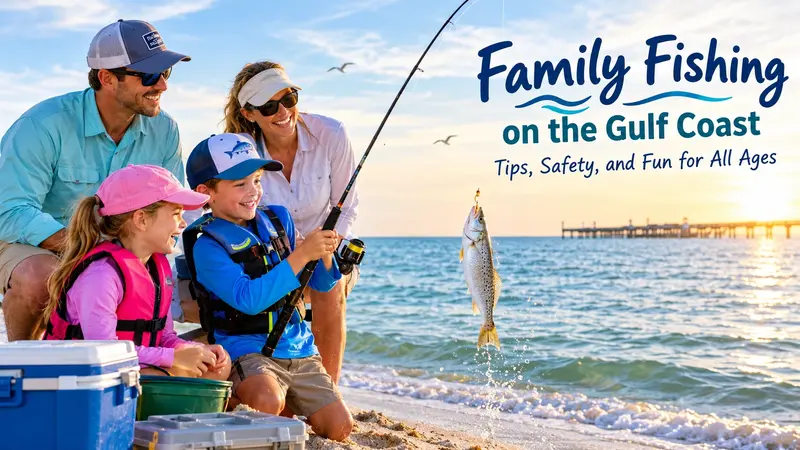
Family fishing thunderonthegulf Coast is a wonderful way to spend quality time together, enjoy nature, and create unforgettable memories. With its beautiful beaches, coastal piers, bays, and calm inshore waters, the Gulf Coast offers fishing opportunities for beginners, experienced anglers, and children of all ages. Whether you are planning a weekend fishing trip or a family vacation, the region provides plenty of ways to enjoy the outdoors.
From catching your first fish to exploring coastal wildlife, family fishing can turn an ordinary day into an exciting adventure. However, a successful trip requires proper planning, suitable equipment, and attention to safety. Choosing the right fishing location, checking local regulations, and packing essential supplies can make the experience more comfortable and enjoyable for everyone.
This guide covers family fishing tips, key safety precautions, beginner-friendly locations, and fun activities that make Gulf Coast fishing memorable for the whole family.
Why Family Fishing on the Gulf Coast Is Special
The Gulf Coast is known for its scenic shoreline, diverse marine life, and excellent recreational fishing opportunities. Families can choose from public fishing piers, sandy beaches, coastal parks, and sheltered bays, depending on their experience and preferences.
One of the biggest advantages of family fishing is that everyone can participate. Young children can learn to use a simple fishing rod, teenagers can practise new techniques, and adults can enjoy the challenge of catching different species.
Fishing also provides valuable learning opportunities. Children can discover how fish live, understand the importance of clean waterways, and learn why protecting marine habitats matters. At the same time, parents can encourage patience, teamwork, and curiosity through a fun outdoor activity.
Best Places for Family Fishing on the Gulf Coast
Choosing the right location is key to planning a successful family fishing trip. Beginners and families with young children often benefit from accessible places with nearby facilities.
1. Public Fishing Piers
Public fishing piers are convenient for families because they often provide plenty of space to fish without needing a boat. Some piers offer parking, restrooms, seating areas, and nearby food options.
Before you go, check whether the pier allows children, what fishing equipment is allowed, and whether fees or licences are required.
2. Beaches and Shorelines
Fishing from the beach can be an enjoyable experience for families who love spending time near the water. Depending on local conditions, anglers may catch whiting, pompano, and other coastal fish.
Choose a permitted fishing area away from swimmers and crowded beach activities. Watch the waves carefully and keep children away from dangerous surf conditions.
3. Calm Bays and Inshore Waters
Sheltered bays and inshore waters can be excellent choices for beginner anglers. These environments may provide opportunities to catch species such as speckled trout, red drum, and flounder, depending on the location, season, and current regulations.
Families should look for established public access points and avoid unfamiliar areas with strong currents, deep drop-offs, or slippery banks.
4. Family-Friendly Fishing Charters
A guided fishing charter is a great option for families who want to fish from a boat. Experienced captains can provide equipment, explain basic techniques, and help participants understand local fishing conditions.
When booking a charter, ask about minimum ages, trip duration, child-sized life jackets, restroom availability, and whether the captain supplies bait and tackle.
Essential Fishing Gear for Families
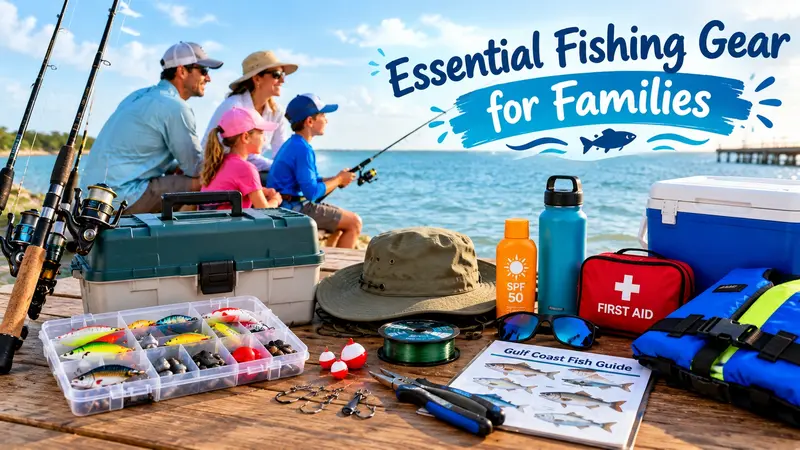
You do not need expensive equipment to enjoy family fishing. Simple, reliable gear is usually enough for a beginner-friendly outing.
Here are some essentials to pack:
- Fishing rods and reels: Choose lightweight spinning combos that children can handle comfortably.
- Fishing hooks and tackle: Use hooks, sinkers, bobbers, and other basic tackle suited to your target species.
- Bait: Ask local tackle shops which live or artificial baits work best for the season and location.
- Fishing line and spare supplies: Bring extra line, hooks, and basic replacement equipment.
- Pliers and line cutters: Keep tools on hand so adults can safely remove hooks and cut fishing line.
- Cooler: Carry drinking water, snacks, and a separate container for legally harvested fish if needed.
- Sun protection: Pack sunscreen, hats, sunglasses, and lightweight protective clothing.
- First-aid kit: Include basic supplies for minor cuts, scrapes, and other common outdoor problems.
Keep sharp hooks, knives, and other potentially dangerous equipment out of children’s reach. Adults should handle baiting hooks and removing hooks from fish whenever necessary.
Family Fishing Tips for Beginners
A little preparation can make a big difference when introducing children to fishing. The goal is to help everyone feel comfortable while enjoying the experience.
Start With Simple Fishing Techniques
Begin with a basic spinning rod and a straightforward setup. A bobber can help children see when a fish bites, making fishing easier to understand.
Teach children how to hold the rod, cast safely, and reel in the line. Practice casting away from other people before approaching the water.
Choose the Right Time of Day
Early mornings and late afternoons can provide comfortable temperatures and productive fishing conditions. Fish activity varies by species, tides, weather, and season, so check local fishing reports before you leave home.
During hot weather, avoid spending long periods in direct sunlight. Plan breaks in shaded areas and keep everyone hydrated.
Keep the Trip Short and Enjoyable
Young children may lose interest if fishing takes too long without a bite. For a first trip, start with one or two hours and extend the outing only if everyone is having fun.
Bring snacks, water, and a few simple activities to keep children entertained between catches.
Teach Basic Fishing Skills
Use the trip to teach children how to cast, reel, recognize a bite, and handle fishing equipment responsibly. Celebrate their effort and curiosity rather than focusing only on how many fish they catch.
Remember that a successful family fishing trip is about spending time together, learning new skills, and enjoying nature.
Fishing Safety Tips for the Whole Family
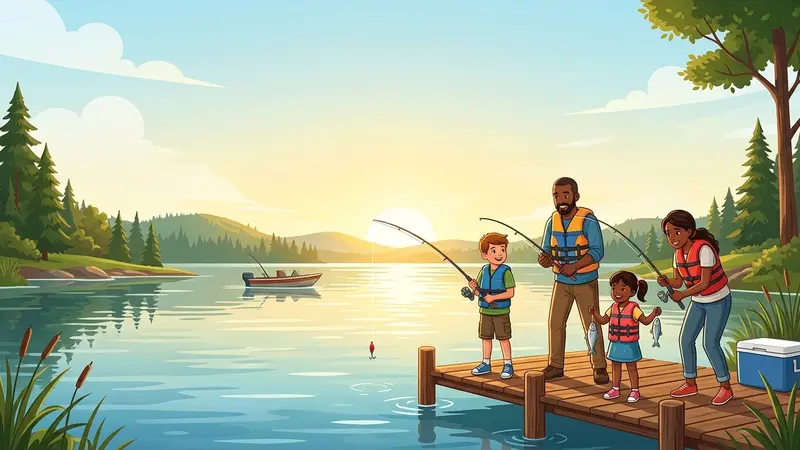
Safety should always come first when fishing along the Gulf Coast. Beaches, piers, bays, and boats can present different risks, so prepare for the location you plan to visit.
1. Check the Weather Forecast
Coastal weather can change quickly. Check the forecast before departure and monitor local alerts throughout the trip. Postpone fishing when thunderstorms, dangerous winds, rough surf, or other hazardous conditions are expected.
If thunder is heard or lightning is seen, leave exposed fishing areas and move into a substantial enclosed building or hard-topped vehicle. Do not shelter under isolated trees or open-sided structures.
2. Wear Appropriate Life Jackets
When fishing from a boat, children should wear properly fitted, U.S. Coast Guard-approved life jackets appropriate for their size and weight. Adults should also wear life jackets when conditions warrant them.
Follow local boating requirements and the captain’s safety instructions. Never allow children to move around a boat without close adult supervision.
3. Protect Everyone From the Sun
Strong coastal sunshine can lead to sunburn, dehydration, and heat exhaustion. Apply broad-spectrum sunscreen, wear protective clothing, and take regular breaks in the shade.
Offer children water frequently, even if they don’t feel thirsty. Stop the activity and seek appropriate help if anyone develops concerning symptoms such as confusion, fainting, or severe overheating.
4. Handle Hooks and Fish Carefully
Fishing hooks can cause painful injuries, especially as children learn to cast. Establish a clear casting area and make sure everyone checks behind them before throwing a line.
Adults should handle sharp tackle and use appropriate tools to remove hooks. Some Gulf Coast fish have sharp spines or teeth, so learn how to identify your catch before touching it.
5. Stay Aware of Water Conditions
Keep children within arm’s reach near open water, particularly around slippery rocks, boat ramps, and strong currents. Never assume that a shallow-looking area is safe.
Follow beach warning flags and posted signs. If fishing from a pier, keep children away from edges and never allow them to climb railings.
Fun Activities to Make Fishing More Exciting
Fishing is not always about catching fish. Adding small activities can keep children interested and make the day enjoyable for everyone.
Create a Fish Identification Challenge
Bring a simple fish identification guide and see how many local species the family can recognize. Children can record the fish they observe and learn about their habitats.
Handle a fish only when necessary and safely. Take photos when identifying unfamiliar species.
Keep a Fishing Journal
Encourage children to write down the date, location, weather, bait, and fish they catch. Younger children can draw pictures instead of writing detailed notes.
Over time, the journal becomes a collection of family memories and a way to notice how fishing conditions change.
Enjoy a Coastal Nature Walk
Take a break from fishing to explore the shoreline, observe birds, and look for interesting shells where collecting is permitted. Remind children not to disturb wildlife, damage vegetation, or remove protected natural objects.
Plan a Family Fishing Competition
Organize a friendly challenge based on identifying fish, making accurate casts in a safe practice area, or spotting coastal wildlife. Avoid rewarding children for catching the most fish, as this can encourage unnecessary harvesting.
Focus on participation, learning, and spending time together.
Understanding Gulf Coast Fishing Regulations
Before fishing, families should understand the regulations for their chosen location. Rules vary by state, coastal waters, public piers, and individual fishing areas.
Depending on where you fish, regulations may cover fishing licenses, minimum fish sizes, daily bag limits, protected species, seasonal closures, and permitted fishing methods.
For example, Florida, Alabama, Mississippi, Louisiana, and Texas have different fishing rules. Requirements may also differ for residents, visitors, children, and people fishing from licensed charter boats.
Follow these important practices:
- Check the official state wildlife or fisheries agency website before your trip.
- Confirm whether each family member needs a fishing license.
- Learn the current size limits and daily catch limits for your target species.
- Carry a measuring tool and know how to identify the fish you catch.
- Release undersized, protected, or unwanted fish carefully and promptly.
- Dispose of fishing line, hooks, bait containers, and other waste properly.
Regulations can change, so do not rely entirely on old fishing guides or advice from other anglers. Official local sources provide the most reliable information.
Practicing Catch-and-Release Fishing
Catch-and-release fishing is a useful way to teach children about conservation and responsible outdoor recreation. When fish are not being kept for legal consumption, careful handling can improve their chances of survival.
Use appropriate tackle to reduce the time it takes to land a fish. Wet your hands before handling it, avoid touching the gills, and keep the fish out of the water only as long as necessary.
If a hook is deeply embedded, pulling it out forcefully can cause additional injury. Follow appropriate fish-handling guidance for the species and situation.
Some fish may not survive release, particularly after prolonged fights or exposure to extreme temperatures. Teaching children to handle fish gently and follow local rules helps protect Gulf Coast fisheries.
What to Pack for a Family Fishing Trip
Preparing a checklist helps families avoid unnecessary stress and enjoy their time outdoors.
Here is a simple packing list:
- Fishing rods, reels, and tackle
- Appropriate bait and a small tackle box
- Drinking water and family-friendly snacks
- Sunscreen, hats, and sunglasses
- Lightweight clothing and comfortable footwear
- Life jackets for boating activities
- First-aid supplies and any necessary personal medications
- Phone, charged power bank, and emergency contact information
- Fishing licenses, where required
- Measuring tape and fish identification guide
- Trash bags for collecting and disposing of waste properly
Check local conditions before you leave and adjust your supplies for the trip length, weather, and fishing location.
Best Practices for Protecting the Gulf Coast Environment
The Gulf Coast provides important habitats for fish, birds, turtles, and other wildlife. Families can help protect these natural resources by following a few simple habits.
Always take your rubbish home or dispose of it in the appropriate bins. Lost fishing line and discarded hooks can injure wildlife, so collect them carefully.
Use designated access points, respect private property, and avoid disturbing nesting areas or sensitive coastal vegetation. Never feed wild animals or leave bait and food scraps where they can attract wildlife.
Keep only the fish you are legally allowed to harvest and can reasonably use. Respecting local regulations helps support healthy fisheries for future generations.
These small actions teach children that enjoying nature also means taking responsibility for protecting it.
Conclusion
Family fishing thunderonthegulf Coast offers an excellent opportunity to enjoy the outdoors, develop new skills, and create lasting memories. From public fishing piers and peaceful beaches to sheltered bays and guided charters, families have many ways to experience coastal fishing together.
A successful trip starts with choosing the right location, bringing basic gear, checking local regulations, and making safety a priority. Parents can build children’s confidence by teaching simple fishing techniques, encouraging curiosity, and keeping the experience relaxed and enjoyable.
Remember, the best family fishing trips aren’t measured by the size of the catch. They are about laughter, learning, teamwork, and appreciating the natural beauty of the Gulf Coast. With thoughtful planning and responsible fishing habits, your family can enjoy memorable coastal adventures while helping preserve these special places for generations to come. Learn more about family fishing.