
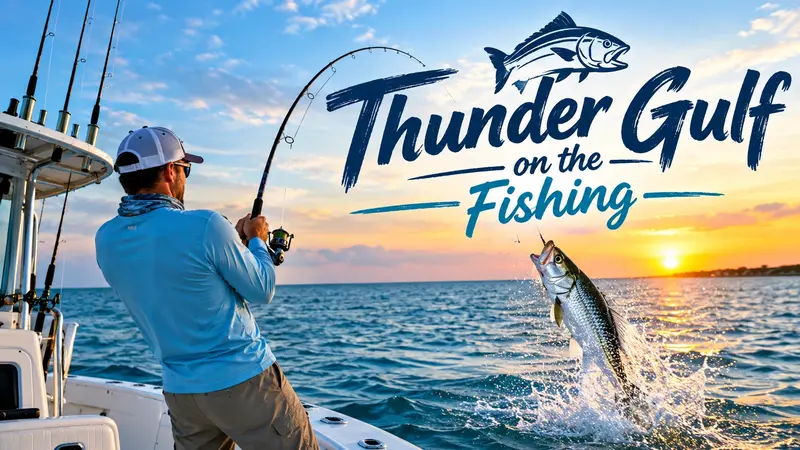
Thunder on the Gulf Fishing is an exciting topic for anglers who love the Gulf Coast’s beauty and the thrill of catching fish in coastal waters. From peaceful mornings along the shoreline to adventurous offshore fishing trips, the Gulf offers a wide range of opportunities for beginners, experienced anglers, and families who enjoy spending time outdoors.
Fishing along the Gulf Coast is about more than catching fish. It is also an opportunity to explore beautiful beaches, enjoy fresh sea air, learn new fishing techniques, and appreciate the region’s rich marine environment. With the right equipment, knowledge of local fishing conditions, and a little patience, anglers can make their fishing trips more enjoyable and productive.
In this guide, we will explore helpful Gulf Coast fishing tips, popular fishing locations, essential equipment, fishing guides, and responsible fishing practices. Whether you prefer fishing from a pier, casting from the beach, or heading offshore by boat, these insights can help you plan a memorable coastal adventure.
What Makes Fishing on the Gulf of Mexico Special?
The Gulf Coast is known for its diverse marine life, scenic beaches, bays, estuaries, and offshore waters. These environments offer year-round opportunities to catch a variety of fish.
Depending on location, season, and conditions, anglers may catch red drum, spotted seatrout, flounder, Spanish mackerel, king mackerel, snapper, and grouper.
One of the biggest advantages of Gulf Coast fishing is its variety. Beginners can start with simple shoreline fishing, while experienced anglers can explore deeper waters and more challenging fishing techniques.
The experience also combines outdoor recreation with coastal culture. Watching the sunrise, listening to the waves, and spending time with friends or family can make a fishing trip worthwhile, even when the fish aren’t biting.
Best Gulf Coast Fishing Tips for Beginners
A successful fishing trip often begins with preparation. Understanding local conditions and choosing suitable equipment can help you avoid common mistakes.
1. Check Weather and Water Conditions
Weather plays an important role in fishing safety and success. Wind, tides, waves, water temperature, and changing weather patterns can affect fish activity and determine where it is safe to fish.
Before leaving, check the marine forecast and local advisories. Avoid fishing from exposed beaches, piers, or boats during dangerous weather. If thunderstorms are approaching, leave the water and seek appropriate shelter.
Calm mornings can make many fishing trips comfortable, but fish activity varies by species, season, and location.
2. Choose the Right Fishing Gear
You do not need expensive equipment to get started. A suitable rod, reel, fishing line, hooks, sinkers, and bait are enough for many basic fishing situations.
For beginners, a medium spinning rod and reel is a practical choice for a variety of inshore and shoreline conditions. Heavier equipment may be necessary for larger fish, stronger currents, or offshore fishing.
Saltwater can corrode fishing equipment, so rinse your rod, reel, hooks, and other reusable gear with fresh water after each trip. Allow everything to dry properly before storing it.
3. Use Fresh and Appropriate Bait
Bait selection depends on the fish you want to catch and the environment you are fishing in. Shrimp, cut bait, and small baitfish are commonly used in many Gulf Coast fishing situations.
Artificial lures are also useful. Soft plastic baits, spoons, and topwater lures can be effective for certain inshore and nearshore species.
Ask local bait shops or experienced anglers which options are working under current conditions. Match the bait to your target species instead of using the same setup for every trip.
4. Learn to Read the Water
Observing the water can help you identify potentially productive fishing areas. Look for channels, drop-offs, grass beds, oyster reefs where fishing is permitted, and areas where moving water concentrates baitfish.
Birds feeding over the water may indicate baitfish activity, although this does not guarantee that larger fish are present.
Along beaches, changes in water depth and the presence of sandbars or troughs can influence where fish travel. Learn to recognize these features from a safe location and avoid entering dangerous surf.
5. Be Patient and Adapt
Fishing conditions can change throughout the day. If you do not get bites, consider adjusting your bait, casting distance, depth, or location.
Keep notes about the weather, tide stage, bait, and fish caught during each trip. Over time, these observations can help you understand local patterns and improve your fishing skills.
Popular Types of Gulf Coast Fishing Adventures
The Gulf Coast offers several fishing styles, each providing a different experience. Your ideal option depends on your budget, experience, available equipment, and target species.
Shoreline and Beach Fishing
Beach fishing is a popular choice for people who want to enjoy the coast without renting a boat. Anglers can cast from permitted beach areas and target species that move through shallow coastal waters.
A sturdy rod, suitable line, appropriate sinkers, and the right bait make a solid starting setup. Bring sun protection, drinking water, and footwear suitable for the beach.
Always observe local beach restrictions, swimming zones, and protected wildlife areas.
Pier Fishing
Fishing piers provide access to water that may be difficult to reach from shore. They suit beginners, families, and anglers who prefer not to operate a boat.
Depending on the pier and local conditions, catches may include Spanish mackerel, red drum, and other seasonal fish.
Before visiting, check whether the pier is open, whether fishing fees apply, and which equipment and species restrictions are in effect.
Inshore Fishing
Inshore fishing takes place in bays, estuaries, coastal rivers, and other relatively sheltered waters. These environments can support popular sport fish, including red drum and spotted seatrout in suitable areas.
Anglers often use artificial lures or natural bait around grass flats, channels, and other fish-holding structures.
Inshore fishing can be a good option for people who want to learn casting techniques and explore coastal habitats without travelling far offshore.
Offshore Fishing
Offshore fishing takes anglers into deeper waters, where they can find different species and new fishing challenges. Depending on the location and season, trips may target snapper, grouper, king mackerel, or other offshore species.
These trips generally require specialized equipment, careful planning, and the right boat. Beginners may benefit from hiring a licensed, experienced charter operator.
Offshore conditions can change quickly, so safety equipment, marine forecasts, and the captain’s judgement are essential.
How to Choose the Right Gulf Coast Fishing Guide
A fishing guide can teach you local techniques, show you the best fishing spots, and explain the gear you’ll need. A knowledgeable guide can be especially helpful if you are visiting the Gulf Coast for the first time.
Consider these factors when choosing a guide.
Experience and Local Knowledge
Look for a guide who understands the local waters, seasonal fishing patterns, and techniques suited to your target species. Ask about the type of fishing offered, the expected trip duration, and whether the experience suits beginners or children.
Licensing and Safety
Verify that the guide and charter operator meet the applicable licensing, registration, and insurance requirements. Requirements vary by state, fishing location, and whether the trip takes place in federal waters.
Ask about life jackets, emergency equipment, weather-related cancellation policies, and whether the boat’s suitable for the planned trip.
Equipment and Included Services
Some guides provide rods, reels, bait, tackle, and, where applicable, fishing licenses or permits. Others may expect guests to arrange certain items themselves.
Confirm exactly what the trip price includes. Also ask about cleaning or filleting services, gratuities, fuel surcharges, and any other fees before booking.
Reviews and Communication
Read recent reviews and communicate with the guide before booking. A professional operator should clearly explain the trip, discuss realistic expectations, and answer questions about safety and equipment.
Remember that no guide can guarantee a catch. Weather, fish behavior, and other natural conditions influence every fishing trip.
Best Times to Go Gulf Coast Fishing
Fishing opportunities change with the seasons, water temperatures, fish migrations, and local regulations. No single month is best for every species or location.
Spring: Warming water can increase activity for certain inshore species. This is a good time to learn about seasonal patterns and shifting baitfish movements.
Summer: Early mornings and evenings may offer more comfortable conditions than the hottest part of the day. Heat, humidity, storms, and strong sunlight require extra attention to safety.
Fall: Changing temperatures and baitfish movements can create productive fishing opportunities in some coastal areas. Species availability depends on the location.
Winter: Fishing may continue throughout the season, but colder water can change fish behavior and the best fishing techniques. Some species may be subject to seasonal closures.
Before planning a trip, check the latest local fishing reports, marine forecasts, and official regulations for the exact area you intend to visit.
Essential Equipment for a Successful Fishing Trip
Packing the right supplies helps make a coastal fishing adventure safer and more comfortable.
Consider bringing:
- A suitable fishing rod and reel
- Fishing line, hooks, sinkers, and spare tackle
- Appropriate live bait, natural bait, or artificial lures
- Pliers and a safe cutting tool
- A tackle box or waterproof storage bag
- Sunscreen, sunglasses, and a hat
- Drinking water and snacks
- A first-aid kit
- A phone in a waterproof case
- A properly fitted life jacket when required and appropriate emergency equipment for boating
- A cooler for keeping harvested fish at a safe temperature
Your equipment list should reflect the fishing method, weather, trip duration, and target species. Avoid bringing unnecessary gear that makes transportation and setup more difficult.
Fishing Regulations and Conservation
Responsible fishing is key to protecting Gulf Coast marine life. Fishing regulations help manage fish populations, protect vulnerable species, and support healthy coastal ecosystems.
Before fishing, identify the state or federal waters where you’ll fish and check the applicable rules. Requirements may include a fishing license, species-specific size limits, daily bag limits, seasonal closures, and special restrictions for certain locations.
Keep only fish that meet legal requirements and that you intend to use. Handle fish carefully when releasing them, minimize their time out of the water, and use appropriate tackle to reduce unnecessary injury.
Avoid damaging seagrass beds, disturbing nesting wildlife, or leaving fishing line, hooks, plastic, and other rubbish behind. Discarded fishing line can entangle birds, turtles, and other marine animals.
Conservation does not reduce the enjoyment of fishing. Instead, it helps preserve the coastal environment so that future generations can experience the same natural beauty and fishing opportunities.
Family-Friendly Coastal Fishing Adventures
Fishing can be an enjoyable outdoor activity for families when you plan the trip around everyone’s comfort and safety.
Choose a suitable pier, calm shoreline, or guided inshore trip that matches the ages and abilities of the people attending. For younger children, shorter outings with simple equipment can be more enjoyable than long trips that require extensive travel.
Teach children how to handle fishing equipment safely, respect wildlife, and follow local rules. Keep them supervised near the water, and make sure children wear properly fitted life jackets during boating activities.
Families can also make the experience about more than catching fish. Exploring the beach, identifying coastal birds, learning about marine habitats, and watching the sunrise can create lasting memories.
Common Gulf Coast Fishing Mistakes to Avoid
Even experienced anglers sometimes make mistakes that reduce their chances of success or create unnecessary risks.
Ignoring the weather: Sudden storms and changing sea conditions can make fishing dangerous. Check forecasts and leave exposed areas when thunderstorms threaten.
Using unsuitable equipment: Gear that is too light or too heavy for the target species can make fishing more difficult. Choose equipment that matches the location and conditions.
Overlooking regulations: Size limits, bag limits, licensing requirements, and closures can vary by location and species. Check official information before fishing.
Arriving without a plan: Research access points, parking, bait availability, and local restrictions before leaving home.
Leaving rubbish behind: Discarded line, hooks, and plastic can harm wildlife. Pack out everything you bring.
Expecting guaranteed results: Fishing depends on natural conditions. Focus on learning, enjoying the surroundings, and improving your skills rather than measuring every trip by the number of fish caught.
Planning Your Next Thunder on the Gulf Fishing Adventure
A memorable Gulf Coast fishing trip begins with a clear plan. First, choose the type of fishing you want. Decide whether you prefer a quiet beach, a public pier, inshore fishing, or a guided offshore excursion.
Next, research the location and check the current weather, tides, access rules, and fishing regulations. Prepare appropriate gear and confirm whether you need a license or a reservation.
If you are hiring a guide, confirm the meeting point, trip length, included equipment, cancellation policy, and expected additional costs. For a boat trip, understand the safety procedures and follow the captain’s instructions.
Finally, allow enough time to enjoy the coastal environment. A successful outing can include learning a new technique, spotting marine wildlife, spending quality time with family, or simply enjoying a peaceful morning beside the water.
For more fishing tips, coastal inspiration, and outdoor ideas, keep exploring ThunderOnTheGulfBlogs.com.
Final Thoughts
Thunder on the Gulf Fishing combines the excitement of angling, the beauty of the Gulf Coast, and the joy of outdoor adventures. Whether you are casting from the beach, fishing from a pier, exploring inshore waters, or booking an offshore charter, the right preparation can make your experience safer and more rewarding.
By choosing the right equipment, learning local conditions, consulting experienced guides, and following current regulations, anglers can make the most of their time on the water.
Most importantly, remember that fishing is about more than the final catch. It is a chance to explore nature, build new skills, and create meaningful memories along the coast. With patience, preparation, and respect for the marine environment, your next Gulf Coast fishing adventure can be an experience worth repeating.
Pingback: Thunder on the Gulf: A Complete Guide to Family Fishing Trips and Picnics - Thunder On The Gulf Blogs