

Renovation Tips and Tricks Decoradhouse offers practical ideas for homeowners who want to improve their living spaces without making the process unnecessarily complicated. From creating a clear renovation plan and setting a realistic budget to choosing durable materials and improving lighting, thoughtful preparation can make home improvement projects more organized and manageable.
A successful renovation isn’t always about major changes. Simple updates such as fresh paint, better storage, modern lighting, new hardware, and carefully selected furniture can create a noticeable difference. The key is to balance appearance with comfort, functionality, maintenance, and long-term value.
This guide also highlights common renovation mistakes and explains how homeowners can avoid unnecessary expenses and poor design decisions. Whether you are updating one room or planning improvements throughout your home, these renovation tips can help you make informed choices. With proper planning, practical materials, and a step-by-step approach, you can create a comfortable, attractive, and useful home that meets your current needs while allowing flexibility for future improvements.
Table of Contents
- What Are Renovation Tips and Tricks at Decoradhouse?
- Start With a Clear Renovation Plan
- Set a Realistic Budget
- Focus on High-Impact Improvements
- Choose Practical Materials
- Improve Lighting and Color
- Make Better Use of Small Spaces
- Avoid Common Renovation Mistakes
- Renovation Details at a Glance
- Future Renovation Planning
- Conclusion
What Is Renovation Tips and Tricks Decoradhouse?
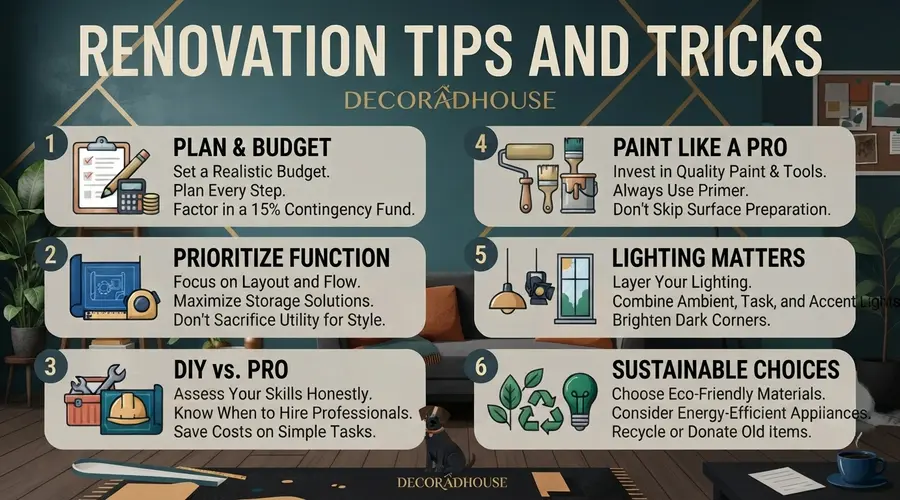
Renovation Tips and Tricks Decoradhouse is a collection of practical home-improvement ideas focused on planning, decorating, organization, and efficient renovation. The approach emphasizes making useful changes rather than renovating for appearance alone.
A renovation may include updating walls, flooring, lighting, furniture, storage, kitchens, bathrooms, or outdoor areas. The right improvements depend on the home’s condition, the available budget, and the homeowner’s goals.
Start With a Clear Renovation Plan
Before starting any work, identify exactly what you want to change. Walk through each room and make a list of problems, priorities, and desired improvements.
For example, a renovation plan may include:
- Repairing damaged walls or ceilings
- Replacing outdated flooring
- Improving lighting
- Adding storage
- Updating furniture
- Refreshing paint colors
- Improving kitchen or bathroom functionality
Planning also helps you decide which tasks to complete first. Structural repairs and essential maintenance should generally receive attention before decorative upgrades.
Set a Realistic Budget
A clear budget is one of the most important parts of renovation planning. Estimate the cost of materials, labor, tools, transportation, and other project expenses.
It is also useful to keep a contingency amount for unexpected repairs. Older homes, for example, may reveal plumbing, electrical, moisture, or structural problems after work begins.
Budget Planning Tips
| Area | Planning Tip |
|---|---|
| Materials | Compare quality and prices before buying |
| Labor | Obtain estimates and clarify the work included |
| Furniture | Prioritize essential pieces |
| Decoration | Add accessories after major work is complete |
| Unexpected costs | Keep an emergency reserve |
Focus on High-Impact Improvements
You do not always need to renovate every part of a room. Focusing on a few high-impact changes can create a fresh look while keeping the project manageable.
Fresh paint, improved lighting, updated hardware, new curtains, better storage, and rearranged furniture can significantly change a space’s feel. In kitchens, replacing cabinet handles or improving lighting may provide a noticeable update without replacing every cabinet.
Choose Practical Materials
Appearance matters, but durability and maintenance should also guide material choices. Flooring, countertops, wall finishes, and furniture should match the way the space is used.
For busy family areas, choose surfaces that are easy to clean and resistant to everyday wear. In moisture-prone rooms, select materials designed to handle humidity and water exposure.
Buying the cheapest option may not always reduce long-term costs if the material needs frequent repairs or replacement.
Improve Lighting and Color
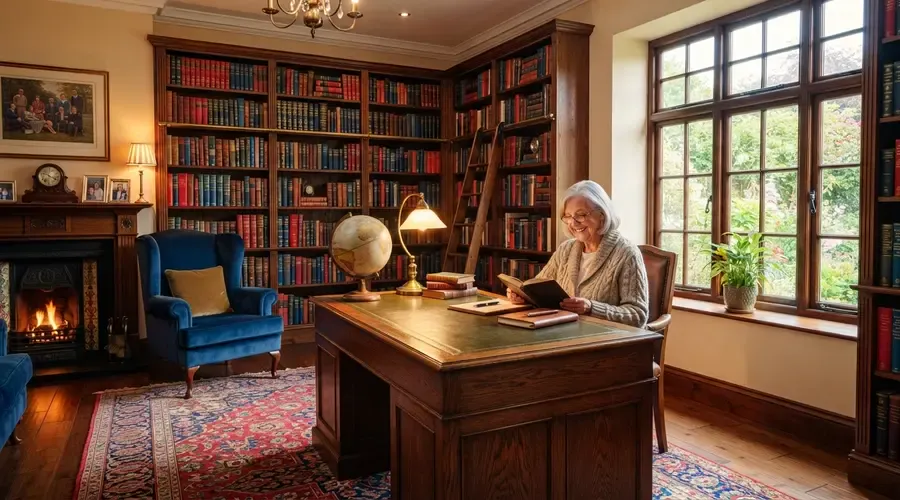
Lighting can influence how large, comfortable, and welcoming a room feels. Whenever possible, use natural light and supplement it with appropriate artificial lighting.
Consider different lighting layers, such as:
- General ceiling lighting
- Task lighting for work areas
- Accent lighting for decorative features
- Bedside or reading lights
Color also plays an important role. Neutral shades can create a calm and flexible background, while carefully selected accent colors can add personality without overwhelming the room.
Make Better Use of Small Spaces
Small rooms require thoughtful organization. Instead of filling a compact area with large furniture, look for solutions that serve multiple functions.
Useful ideas include:
- Wall-mounted shelves
- Storage under beds
- Foldable furniture
- Built-in cabinets
- Mirrors to enhance visual openness
- Multi-purpose tables and seating
Keeping unnecessary items out of the room can also make the space appear larger and easier to maintain.
Avoid Common Renovation Mistakes
Renovation projects can become difficult when homeowners make decisions without considering the entire project. One common mistake is starting demolition before fully understanding the scope of work.
Other mistakes include:
- Ignoring the budget
- Choosing style over practicality
- Buying materials before measuring
- Underestimating storage needs
- Selecting unsuitable materials
- Changing plans repeatedly
- Forgetting about ventilation and lighting
- Failing to allow time for unexpected delays
A written plan can help reduce unnecessary changes and keep the project organized.
Renovation Details at a Glance
| Renovation Area | Useful Approach |
|---|---|
| Planning | Define goals and priorities before starting |
| Budget | Estimate expenses and keep a contingency reserve |
| Walls | Use suitable colors and durable finishes |
| Flooring | Consider durability, maintenance, and room usage |
| Lighting | Combine natural, general, task, and accent lighting |
| Storage | Use vertical and multi-purpose solutions |
| Furniture | Select pieces that fit the room properly |
| Materials | Balance appearance, quality, durability, and cost |
| Decoration | Add accessories after major renovation work |
Future Renovation Planning
Future planning can make a home easier to update over time. Instead of making every improvement at once, homeowners can divide larger projects into manageable stages.
For example, homeowners can complete essential repairs first, then move on to flooring, painting, lighting, furniture, and decorative details. Planning ahead can also help homeowners prepare for changing needs, such as additional storage, flexible work areas, or improved energy efficiency.
Smart lighting, efficient appliances, water-saving fixtures, durable materials, and adaptable furniture are examples of features that may support a home’s long-term functionality. Learn more about Renovation Tips.
Conclusion
Renovation Tips and Tricks Decoradhouse provides a practical way to think about home improvement by combining planning, functionality, style, and sensible budgeting. A successful renovation does not necessarily require major structural changes. Small, carefully selected improvements can make rooms more comfortable, organized, and attractive.
Before starting a project, set priorities, understand your budget, measure spaces carefully, and choose materials based on both appearance and everyday use. With thoughtful planning and a step-by-step approach, homeowners can create spaces that remain useful and appealing for years to come.