
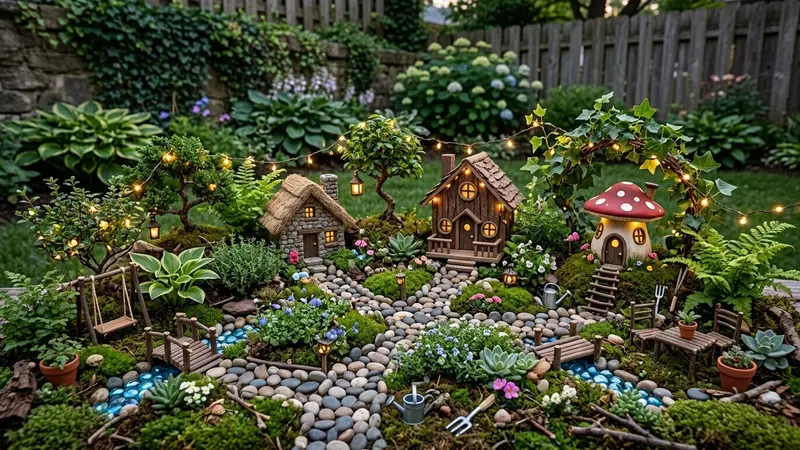
A backyard can become much more than a place for plants and outdoor furniture. With a little creativity, it can be transformed into a charming fairy garden filled with miniature details, colorful plants, natural textures, and imaginative decorations. Backyard fairy garden ideas are especially appealing because they can work in large yards, small corners, patios, or even containers.
Creating a fairy garden does not require expensive materials or complicated landscaping. You can use simple items such as small stones, wooden pieces, flower pots, pebbles, miniature houses, and recycled decorations to create an inviting setting. The goal is to combine plants and decorative features in a way that makes the space feel natural and playful.
Whether you are improving your existing garden or starting a new outdoor project, a fairy garden can add personality while making your backyard more enjoyable. The following ideas can help you plan a beautiful miniature garden that complements your home’s outdoor space.
Table of Contents
- What Is a Backyard Fairy Garden?
- Choose the Right Location
- Create a Natural Fairy Garden Setting
- Choose Suitable Plants
- Add a Miniature Fairy House
- Build a Fairy Garden Path
- Add Water Features
- Use Creative DIY Decorations
- Design a Fairy Garden in a Small Space
- Common Fairy Garden Mistakes to Avoid
- How to Maintain a Backyard Fairy Garden
- Future Ideas for Your Outdoor Space
- Final Thoughts
What Is a Backyard Fairy Garden?
A backyard fairy garden is a small decorative garden designed around a magical or miniature theme. It usually combines plants with tiny houses, pathways, furniture, bridges, signs, stones, or other decorative elements.
There is no single design that you have to follow. Some gardens use a woodland theme with moss, stones, and natural wood, while others use colorful flowers and miniature accessories. You can also create a modern fairy garden using simple containers, geometric arrangements, and subtle decorations.
The best design is one that fits your available space and personal style.
Choose the Right Location
Choosing the right location is one of the first steps when creating a fairy garden. Look for an area that receives suitable sunlight for the plants you want to grow.
A corner near a flower bed, beneath a suitable tree, beside a patio, or along a garden pathway can work well. Avoid placing delicate decorations in an area that frequently becomes waterlogged or exposed to strong weather.
For smaller yards, consider using a raised planter, large container, or dedicated garden box. This allows you to create a fairy garden without changing the entire backyard layout.
Create a Natural Fairy Garden Setting
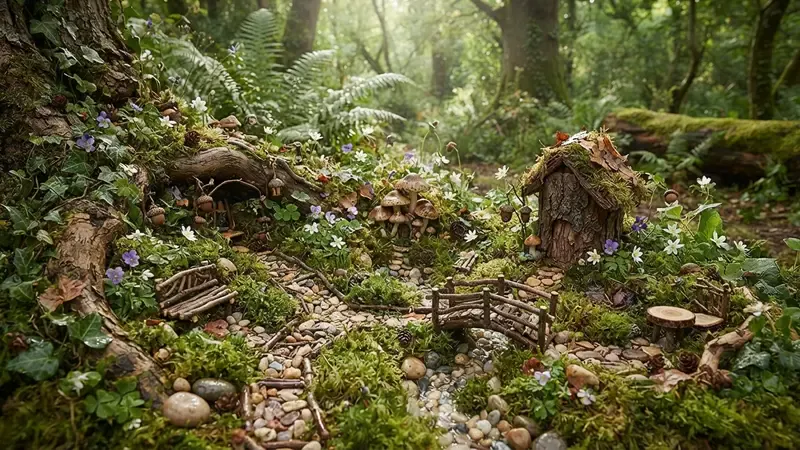
A natural setting can make your fairy garden look more attractive and believable. Instead of filling the area with too many decorations, begin with natural materials.
Consider using:
- Small rocks and pebbles
- Pieces of natural wood
- Tree branches
- Moss
- Bark
- Pinecones
- Gravel
- Dried leaves
- Small logs
Arrange these materials around plants and miniature features to create different levels and textures. A combination of ground cover, taller plants, and small decorative objects can make even a compact garden feel more interesting.
Choose Suitable Plants
Plants are an important part of any backyard fairy garden. Choose varieties that match the amount of sunlight and moisture available in your chosen location.
Small-growing plants are often useful because they maintain the miniature appearance of the garden. Moss, creeping plants, small flowering plants, herbs, and compact ornamental varieties can all contribute to the design.
When selecting plants, consider their mature size rather than only their appearance when purchased. Fast-growing plants may eventually cover miniature houses and pathways, making the garden difficult to maintain.
Planting Tip
Group plants according to their watering and sunlight requirements. This makes garden maintenance easier and helps prevent some plants from receiving too much or too little water.
Add a Miniature Fairy House
A tiny fairy house can become the main focal point of your garden. You can purchase a ready-made miniature house or create one using simple craft materials.
For a natural appearance, consider wood, stone, clay, or weather-resistant materials. Place the house near plants or beneath a small branch to make it appear integrated into the garden.
You can also add miniature windows, doors, signs, flower pots, or tiny furniture around the house. Keep the decorations proportional to the surrounding plants so the design remains balanced.
Build a Fairy Garden Path
A miniature pathway can make your fairy garden look more complete. Small pebbles, flat stones, bark pieces, or wood slices can be arranged to create a winding path.
Instead of making the path perfectly straight, try a gentle curve leading toward the miniature house or another focal point. Curved paths can make a small garden appear deeper and encourage the eye to explore different areas.
Creating a healthier garden starts with simple, sustainable practices such as using organic compost, choosing suitable plants, conserving water, and reducing unnecessary chemicals. These small steps can improve soil quality, support healthy plant growth, and create a greener, more enjoyable outdoor space for everyone.
Make sure the materials are stable and suitable for outdoor conditions, particularly if the garden is exposed to rain.
Add Water Features
A small water feature can introduce another layer of visual interest. You do not need a large pond. A shallow decorative bowl, small container, or miniature water feature may be enough.
You could create the appearance of a tiny fairy pond surrounded by stones and small plants. If using actual standing water outdoors, consider appropriate maintenance to prevent it from becoming a breeding area for mosquitoes.
For a simpler option, create a dry stream using blue decorative stones or glass pieces. This gives the appearance of water without requiring ongoing water maintenance.
Use Creative DIY Decorations
One of the most enjoyable parts of creating a fairy garden is making decorations yourself. DIY projects can also reduce costs and allow you to create pieces that match your garden’s theme.
Ideas include:
- Tiny wooden signs
- Miniature benches
- Small bridges
- Pebble stepping stones
- Painted clay pots
- Twig fences
- Tiny birdhouses
- Decorative mushrooms
- Miniature mailboxes
- Small garden gates
Weather-resistant materials are preferable for outdoor decorations. If you paint handmade items, choose finishes appropriate for outdoor use and refresh them when necessary.
Design a Fairy Garden in a Small Space
You do not need a large backyard to enjoy this type of gardening. A fairy garden can fit into a small patio, balcony, porch, or compact outdoor corner.
A large container can hold several small plants along with a miniature house and pathway. Vertical elements such as small trellises can also help create height without requiring much floor space.
For a particularly small garden, focus on one theme instead of adding many different decorations. A simple woodland corner or miniature cottage scene can be more attractive than an overcrowded arrangement.
Common Fairy Garden Mistakes to Avoid
A successful fairy garden depends on balance. One common mistake is adding too many decorations. When every part of the garden contains an accessory, plants and focal features can become difficult to appreciate.
Another mistake is choosing plants without considering their growth habits. Large or aggressive plants can quickly overwhelm a miniature design.
Avoid using fragile decorations that are not suitable for outdoor weather. Strong sunlight, rain, wind, and temperature changes can damage certain materials.
Finally, remember that a fairy garden is still a garden. Plants need appropriate light, water, soil, and maintenance to remain healthy.
How to Maintain a Backyard Fairy Garden
Regular maintenance keeps your fairy garden attractive throughout the growing season. Remove weeds before they become established and trim plants when they begin covering pathways or miniature structures.
Check decorations occasionally for damage caused by weather. Clean stones and ornaments when necessary, and replace broken items rather than allowing damaged pieces to make the area look neglected.
Water plants according to their individual needs rather than following one schedule for everything. Mulching around suitable plants can help retain moisture and reduce weed growth.
Seasonal maintenance is also useful. You may want to refresh decorations, replace seasonal flowers, or rearrange small features as the garden develops.
Future Ideas for Your Outdoor Space
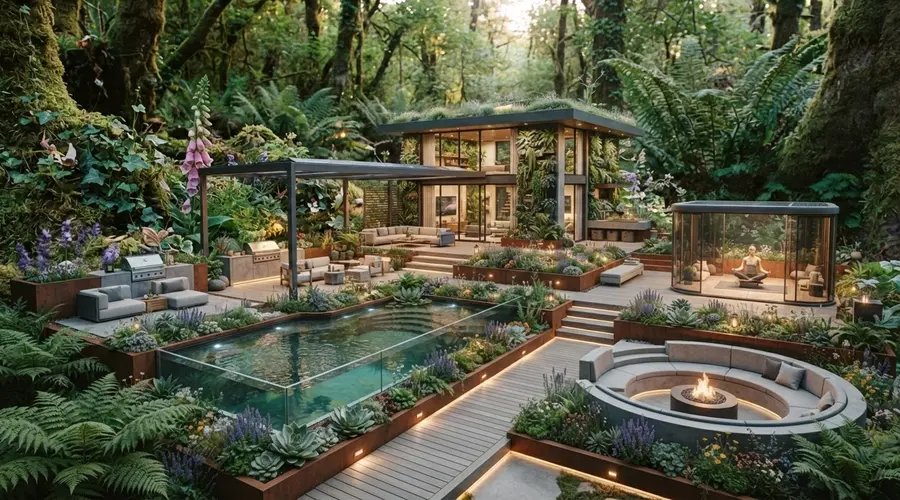
A fairy garden can become the starting point for broader backyard improvements. Once you have created a miniature garden, consider connecting it with other outdoor features such as a seating area, flower border, raised garden bed, or decorative pathway.
You can gradually improve the entire backyard instead of completing everything at once. Adding outdoor lighting, comfortable seating, improved planting areas, or sustainable gardening features can make the space more useful for everyday activities.
You can also reuse materials from other home improvement projects. Leftover wood, stones, containers, and other suitable materials may become useful elements in a creative garden design. Learn More About Gardening Tips.
Final Thoughts
Backyard fairy garden ideas offer a creative way to bring personality and imagination into an outdoor space. A successful design does not depend on expensive decorations or a large yard. With suitable plants, natural materials, miniature structures, and a little planning, even a small corner can become an attractive garden feature.
The key is to create a balanced environment where plants and decorations complement each other. Start with a simple theme, choose plants that suit the location, and add miniature details gradually. As your garden grows, you can introduce new features or connect it with larger home improvement projects.
For homeowners who enjoy gardening and outdoor design, a fairy garden can be both a decorative project and an opportunity to make better use of the backyard. With regular care and creative updates, your miniature garden can continue changing with the seasons while adding charm to your outdoor living space.