
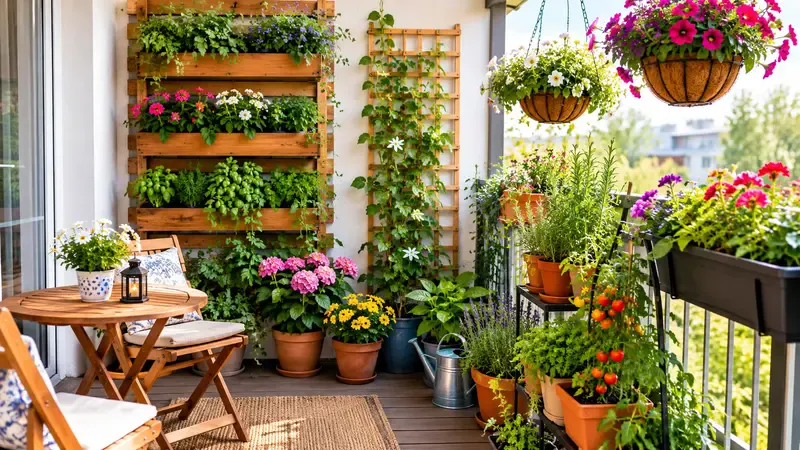
Gardening can be enjoyable even when you have very little outdoor space. With the right approach, balconies, patios, rooftops, windowsills, and small corners can become attractive and productive gardens. Creative gardening ideas for small spaces focus on using available areas efficiently while keeping the garden organized and easy to maintain.
Vertical gardens, hanging baskets, container plants, wall-mounted planters, and tiered shelves are excellent options for maximizing limited space. You can also grow useful herbs such as basil, mint, parsley, and rosemary or choose compact vegetables and colourful flowers for your garden. Reusing suitable household containers can make small-space gardening more affordable while adding a unique decorative touch.
The key to successful small-space gardening is choosing plants that match your available sunlight, container size, and growing conditions. Good organisation also prevents your garden from feeling crowded. Whether you live in an apartment or have a tiny backyard, thoughtful planning can help you create a beautiful green space that you can enjoy throughout the growing season.
1. Create a Vertical Garden
Vertical gardening is one of the best solutions for limited spaces. Instead of spreading plants across the ground, grow them upward using walls, trellises, shelves, or vertical planters.
You can grow herbs, leafy vegetables, flowers, and climbing plants vertically. A wooden ladder can also become an attractive plant stand when you place small pots on each step.
Vertical gardens not only save floor space but can also create a natural focal point on a balcony or patio.
2. Use Hanging Baskets
Hanging baskets allow you to use overhead space that would otherwise remain empty. They work especially well on balconies, porches, patios, and covered outdoor areas.
Choose trailing plants such as petunias, ivy, or certain herbs to create a cascading effect. You can also hang baskets at different heights to add visual interest.
Make sure the baskets receive the appropriate amount of sunlight and have drainage holes to prevent water from collecting around the roots.
3. Grow Plants in Containers
Container gardening gives you flexibility because you can grow plants almost anywhere. Pots can be placed on balconies, steps, patios, windowsills, or small outdoor tables.
Choose containers according to the size of your plants. Large vegetables may need deeper pots, while herbs and smaller flowers can grow comfortably in compact containers.
You can also reuse suitable household items as planters. Old wooden boxes, buckets, baskets, and other containers can give your garden a unique appearance when properly prepared for planting.
4. Build a Small Herb Garden
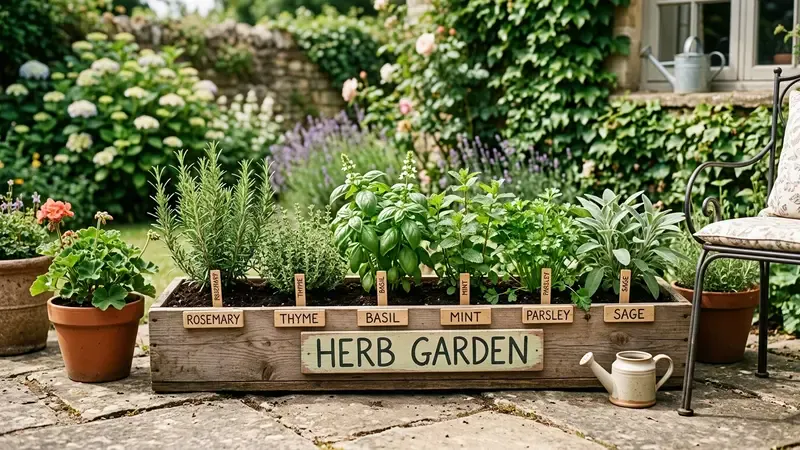
A small herb garden can provide fresh ingredients while taking up very little space. Basil, mint, parsley, thyme, chives, and rosemary can grow well in containers when given suitable conditions.
Place several small pots together on a shelf or narrow table. Alternatively, install wall-mounted planters near a kitchen window.
Growing herbs close to the kitchen makes them convenient to harvest whenever you need fresh ingredients.
5. Try a Window Box Garden
Window boxes are excellent for homeowners and apartment residents who have limited outdoor space. They attach beneath windows and provide an attractive place for flowers, herbs, and compact vegetables.
Choose plants that match the amount of sunlight your window receives. A sunny window can support many herbs and flowering plants, while shaded locations require more shade-tolerant varieties.
Window boxes can also make a plain exterior look more colorful and welcoming.
6. Use a Ladder Plant Stand
An old ladder can become a practical vertical plant stand. Simply place small pots on its steps and arrange plants according to their size and light requirements.
This approach is especially useful when you have only a small balcony or patio. Because the plants grow upward rather than outward, you can display several varieties without using much floor space.
For a more organized appearance, keep larger pots toward the bottom and smaller plants toward the top.
7. Create a Balcony Garden
A balcony can become a relaxing green space with the right arrangement. Start by measuring the available area before purchasing plants and containers.
Use railing planters, hanging baskets, vertical shelves, and compact pots to maximize space. Avoid filling every available area with plants. Leave enough room for movement and seating.
A small chair and a few carefully selected plants can turn a simple balcony into a peaceful garden retreat.
8. Grow Compact Vegetables
You do not need a large vegetable garden to grow fresh produce. Many vegetables can grow successfully in containers when you provide suitable soil, sunlight, water, and support.
Consider compact varieties of tomatoes, peppers, lettuce, radishes, carrots, and other container-friendly vegetables.
Use deep containers for vegetables that develop larger root systems. You can also grow climbing vegetables vertically with a small trellis.
9. Make a Wall-Mounted Garden
When floor space is limited, your walls can become valuable gardening areas. Wall-mounted pots and planters allow you to grow several plants without taking up much room.
Arrange planters in rows or create a simple pattern. You can combine herbs, flowers, and decorative foliage to create a living wall.
Before installing heavy planters, make sure the wall and mounting system can safely support their weight.
10. Add a Mini Fairy Garden
A miniature fairy garden can bring creativity and personality to a small outdoor area. Use a shallow container, small plants, decorative stones, and miniature accessories to create a tiny landscape.
This is also a fun project for families because children can help choose plants and arrange decorations.
Keep the design simple so the small container does not become overcrowded.
11. Use Corner Spaces
Small gardens often have unused corners that can become productive planting areas. Place a tall planter, narrow shelf, or vertical garden in an empty corner.
Corner gardening works particularly well on balconies and patios because it keeps the center of the area open.
Use plants with different heights to create a layered appearance without requiring much additional space.
12. Try a Tiered Garden
Tiered gardening allows you to grow plants at different levels. You can use stacked planters, wooden shelves, or purpose-built tiered containers.
Place plants according to their sunlight needs. Taller plants should not block smaller plants from receiving enough light.
A tiered arrangement also makes it easier to see and care for each plant.
13. Grow a Small Flower Garden
Flowers can transform even the smallest garden into a colorful outdoor space. Choose compact flowering plants that match your local climate and available sunlight.
Combine flowers with different heights and textures to create an attractive arrangement. You can also use containers in different sizes to add depth.
For a low-maintenance garden, select flowers that suit your growing conditions instead of choosing plants based only on appearance.
14. Create a Recycled Container Garden
Creative gardening does not have to be expensive. Reusing suitable household containers can reduce costs and give your garden a distinctive style.
Old wooden crates, containers, cans, and other items can sometimes become planters after proper preparation. Always make sure recycled containers are clean, safe for plants, and have adequate drainage.
Painting or decorating containers can also help you create a coordinated garden theme.
15. Add a Small Trellis
A trellis gives climbing plants a place to grow upward. It can be particularly useful when horizontal space is limited.
Climbing flowers, peas, beans, and other suitable plants can cover a trellis and create a green vertical feature.
Choose a trellis that fits the available area and provide sturdy support as plants become larger.
16. Make a Small Rooftop Garden
If you have access to a rooftop, you can create a compact garden using containers and raised planters. Rooftop gardens can provide greenery in areas where traditional yards are unavailable.
However, rooftop gardening requires careful planning. Consider wind exposure, drainage, sunlight, container weight, and the structural requirements of the building before adding many heavy planters.
Start with a few lightweight containers and plants that can handle the conditions.
17. Combine Gardening With Seating
A small garden does not need to be only about plants. Combining greenery with compact seating can make the area more useful.
Place a few containers around a small chair or bench rather than filling the entire floor with pots. This creates a comfortable place where you can sit and enjoy your garden.
Foldable furniture is particularly useful because you can move or store it when you need additional space.
18. Choose the Right Plants
Choosing suitable plants is one of the most important parts of small-space gardening. Consider sunlight, container size, watering needs, growth habits, and your local climate.
Avoid plants that quickly become too large for your available space. Compact varieties are often easier to manage.
Before buying plants, observe your garden area throughout the day to understand how much sunlight it receives.
19. Keep the Garden Organized
A small garden can quickly look cluttered if containers are placed randomly. Group plants according to their size, watering needs, and sunlight requirements.
Use shelves, plant stands, hooks, and vertical structures to keep everything organized.
Leave clear paths and avoid blocking doors, windows, or walking areas. Good organization can make a small garden feel much larger.
20. Use Color and Texture
Plants are not the only way to add visual interest. Containers, stones, garden decorations, and outdoor accessories can help create a cohesive design.
Use a limited color palette instead of combining too many different colors. Mixing plants with different leaf shapes and textures can also make the garden more interesting.
A simple design often looks better than an overcrowded one, especially in a small space.
Tips for Maintaining a Small Garden
Small gardens still need regular care. Water plants according to their individual requirements and check containers regularly because they can dry out faster than garden soil.
Remove dead leaves and flowers to keep plants looking healthy. Prune plants when necessary to prevent them from becoming too large for their containers.
Check drainage holes regularly and replace or refresh potting soil when needed. Keep an eye out for pests and signs of plant stress so you can address problems early.
Most importantly, avoid planting more than you can comfortably maintain. A smaller, healthy garden is better than a crowded garden that becomes difficult to care for.
Final Thoughts
Creative gardening ideas for small spaces make it possible to enjoy plants even when you have limited room. From vertical gardens and hanging baskets to container vegetables and compact herb gardens, there are many ways to transform a small area into a beautiful green space.
The best approach is to use your available space carefully and select plants that fit your environment. Think vertically, make use of corners, choose compact containers, and keep the overall arrangement organized.
With thoughtful planning and regular care, even a tiny balcony, patio, windowsill, or rooftop can become a relaxing and attractive garden. You do not need a large yard to enjoy the benefits of gardening—you simply need to make the most of the space you already have.