
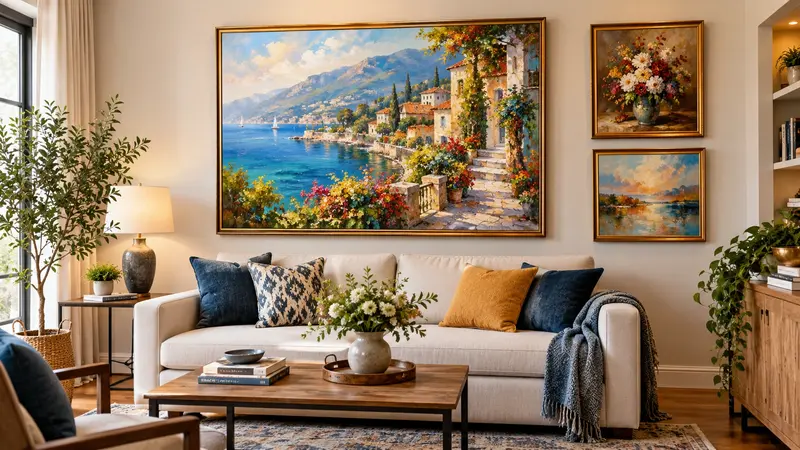
A beautiful home is more than stylish furniture, attractive colors, and modern decorations. Wall art also plays an important role in creating a welcoming, memorable atmosphere. From colorful landscapes to expressive portraits, oil paintings can add personality, elegance, and artistic charm to almost any living space. For homeowners who enjoy creative interiors, exploring Arcagallerdate oil paintings from ArcyArt can be a great way to find artistic inspiration and fresh home-decor ideas.
Oil paintings have remained popular for centuries because of their rich colors, detailed textures, and timeless appeal. Whether you prefer traditional artwork or contemporary designs, the right painting can transform an ordinary wall into an attractive focal point. Art can also reflect your interests, complement your furniture, and help create a relaxing environment.
In this guide, we will explore creative ways to use oil paintings in home interiors, choose artwork that matches different rooms, and maintain paintings so they remain beautiful for years. These practical ideas can help you make thoughtful decorating decisions while expressing your personal style through art.
What Are Arcagallerdate Oil Paintings from ArcyArt?
The phrase Arcagallerdate oil paintings from ArcyArt can be a starting point for exploring art, painting styles, and creative home decor ideas. Oil painting is a traditional technique in which artists mix pigments with drying oils, such as linseed oil, to create rich colors and distinctive textures.
Oil paintings are appreciated for their depth, flexibility, and ability to represent subjects in great detail. Artists can use this medium to create realistic landscapes, abstract compositions, floral arrangements, portraits, and many other designs.
When exploring artwork associated with ArcyArt, consider reviewing the available collection, artist information, and artwork descriptions before deciding what to purchase or display. Verify the details of any particular painting rather than assuming that every style, artist, or collection is available.
For home decorators, oil paintings’ main appeal is their versatility. A carefully selected piece can complement a minimalist room, add warmth to a traditional living area, or introduce a vibrant accent into a modern interior.
Why Oil Paintings Are a Great Choice for Home Decoration
Oil paintings offer several advantages that make them a popular option for interior decoration.
1. They Add Character to Empty Walls
Large, empty walls can sometimes make a room feel unfinished. A well-positioned painting introduces color, detail, and visual interest without requiring a complete renovation.
For example, a landscape painting can create a peaceful living room, while an abstract composition can add energy to a contemporary space. Even a smaller painting can make a difference when placed thoughtfully.
2. They Create a Timeless Appearance
Interior design trends change regularly, but traditional art can remain appealing for many years. Oil paintings come in many styles, from classical portraits to modern abstract work, making it easier to find something that suits your long-term preferences.
Instead of choosing artwork simply because it matches a temporary trend, select pieces that you genuinely enjoy looking at.
3. They Introduce Color and Texture
Oil paintings often feature layered brushstrokes, subtle color transitions, and rich visual details. These qualities can make artwork stand out against plain walls and simple furniture.
A painting featuring warm shades of gold, brown, and red can create a cozy feeling. Blue and green artwork can create a calmer atmosphere, while bright colors can make a neutral room feel livelier.
4. They Reflect Your Personality
Art can communicate your interests and personal taste. Nature lovers may prefer botanical paintings, while modern design fans might choose abstract compositions.
Displaying meaningful artwork also helps a house feel more personal, rather than like a showroom.
Creative Oil Painting Ideas for Different Rooms
Choosing artwork that matches each room’s purpose and design helps create a balanced interior.

1. Living Room: Create a Focal Point
The living room is one of the best places to display a statement painting. Consider a large landscape, expressive abstract artwork, or colorful floral composition above the sofa or on a prominent wall.
Choose artwork that complements your cushions, rugs, curtains, and furniture. For a balanced look, the painting should relate to the furniture arrangement without overwhelming the room.

2. Bedroom: Encourage a Relaxing Atmosphere
Bedrooms often benefit from artwork that feels peaceful and comfortable. Soft landscapes, floral paintings, and gentle abstract designs can work well above a bed or on a side wall.
Muted blues, soft greens, warm neutrals, and delicate earth tones can complement a restful color scheme. Avoid selecting a piece solely for its size; the overall mood matters just as much.

3. Home Office: Add Creativity and Inspiration
A home office can feel more inviting with artwork that reflects your interests. Nature scenes, architectural subjects, and abstract paintings can add visual appeal to a workspace.
Place artwork where you can enjoy it without it becoming a distraction. A thoughtfully chosen painting can also help the room feel more connected to the rest of your home’s interior design.

4. Dining Room: Add Warmth and Elegance
Still-life paintings featuring fruit, flowers, or everyday objects can complement dining spaces. Landscapes and traditional compositions also work well.
Consider the room’s lighting and wall color when selecting a frame and painting. Artwork positioned near the dining table can create a welcoming atmosphere for family meals and gatherings.
Popular Oil Painting Styles to Explore
Different painting styles create different visual effects. Understanding these options makes it easier to choose artwork that fits your home.
Landscape Paintings
Landscape paintings feature mountains, rivers, beaches, forests, gardens, and other natural scenes. They can introduce a sense of openness and tranquility into an interior.
For homes decorated with natural materials, wooden furniture, or neutral colors, landscapes can provide a particularly harmonious look.
Abstract Oil Paintings
Abstract artwork uses colors, shapes, lines, and textures to communicate ideas or emotions without necessarily depicting recognizable objects.
These paintings often suit modern living rooms, creative workspaces, and interiors with simple furniture. A bold abstract piece can become the central feature of an otherwise understated room.
Floral and Botanical Paintings
Flowers and botanical subjects bring a natural decorative element indoors. They work well in bedrooms, dining rooms, hallways, and reading corners.
Choose delicate floral compositions for a softer look, or vibrant botanical paintings for a more energetic style.
Portrait Paintings
Portraits can create a classic and sophisticated atmosphere. They may feature realistic human figures, stylized faces, or contemporary interpretations.
When displaying portraits, consider the wall’s scale and surrounding decor so the artwork feels integrated rather than isolated.
Still-Life Paintings
Still-life paintings represent objects such as fruit, pottery, books, flowers, and decorative arrangements. Their subject matter makes them suitable for dining areas, kitchens, and traditional interiors.
Colors and composition can also help tie different decorative elements throughout a room together.
How to Choose the Right Oil Painting for Your Home
Selecting the right painting involves more than choosing an attractive image. Size, color, placement, and personal preference all influence the final result.
Consider the wall size. A small painting may look lost on a large wall, while an oversized piece can overwhelm a narrow area. Measure the space before you buy.
Match or complement your color palette. Your artwork does not need to match every item in the room. Instead, choose colors that complement the existing palette or add a deliberate accent.
Think about the room’s purpose. Peaceful landscapes may suit bedrooms, while expressive abstract designs can work well in social spaces or creative offices.
Choose an appropriate frame. Wooden frames can complement traditional interiors, while simple black or metallic frames often suit modern spaces. Some paintings look attractive without an additional frame, depending on how the canvas is finished.
Set a realistic budget. Prices vary by artist, size, materials, originality, and provenance. Compare options carefully, and check whether a piece is an original painting, a reproduction, or a printed image.
Buy from a reliable source. Review product descriptions, return policies, shipping details, and information about the artist. If authenticity matters to you, request relevant documentation where available.
Simple Ways to Style Oil Paintings Like a Professional
You do not need an expensive interior designer to display artwork effectively. A few practical techniques can help you create a polished look.
Use the Right Hanging Height
Artwork is generally easiest to appreciate when its center sits near average eye level. A commonly used guideline is approximately 57–60 inches (145–152 cm) from the floor to the center of the artwork, although furniture placement and ceiling height may require adjustments.
When hanging a painting above a sofa or console, leave enough space between the furniture and the frame to create a connected arrangement.
Create a Balanced Gallery Wall
A gallery wall allows you to display several paintings, photographs, or prints together. Use a consistent frame style for a coordinated look, or mix frames for a more eclectic result.
Before hanging anything, arrange the pieces on the floor or make paper templates to test the layout. This simple step helps prevent unnecessary holes in the wall.
Pay Attention to Lighting
Good lighting makes artwork easier to appreciate. Natural light can be attractive, but direct sunlight may fade pigments or damage some materials over time.
If you use artificial lighting, choose fixtures designed for artwork and avoid excessive heat or intense ultraviolet exposure. Proper lighting can highlight a painting’s details while helping protect its condition.
Avoid Overcrowding
A painting needs enough space around it to stand out. Too many decorative objects competing for attention can make a room feel cluttered.
If you have a large statement piece, allow it to serve as the main visual feature. For smaller paintings, use a suitable arrangement that creates balance without overwhelming the wall.
Caring for Oil Paintings to Keep Them Beautiful
With proper care, oil paintings can last for generations. However, environmental conditions can affect the paint surface, canvas, frame, and varnish.
Here are some useful maintenance practices:
-
Keep paintings away from direct sunlight: Prolonged exposure can cause fading and deterioration.
-
Maintain a stable indoor environment: Large fluctuations in temperature and humidity may affect the canvas, wooden frame, and paint layers.
-
Avoid damp areas: Bathrooms, poorly ventilated basements, and walls with moisture problems can increase the risk of damage.
-
Handle artwork carefully: Hold the frame with clean hands and avoid touching the painted surface.
-
Avoid household cleaners: Cleaning products, water, and rough cloths can damage the paint or varnish.
-
Consult a professional for restoration: If you notice flaking paint, mold, cracks, or other serious damage, contact a qualified art conservator rather than attempting repairs yourself.
Regularly checking the artwork’s condition can help you identify potential problems early. Valuable or antique paintings may benefit from professional advice about display conditions and long-term preservation.
Common Mistakes to Avoid When Decorating with Oil Paintings
Even beautiful artwork may not look its best when displayed incorrectly. Avoiding a few common mistakes can improve your home’s overall appearance.
Choosing the wrong size: Consider the wall dimensions and nearby furniture before buying a painting.
Ignoring the existing interior style: A strong contrast can be intentional, but the artwork should still contribute to the room’s overall design.
Hanging paintings too high: Artwork placed far above eye level can appear disconnected from the furniture and surrounding space.
Poor lighting: Glare and harsh lighting can make artwork hard to see, while direct sunlight can damage it.
Buying without checking the details: Confirm the artwork’s dimensions, materials, authenticity claims, and seller policies before you buy.
Following trends without considering personal taste: Your home should reflect what you enjoy. Choose paintings that remain meaningful to you rather than relying entirely on current decorating trends.
Are Arcagallerdate Oil Paintings from ArcyArt Suitable for Every Home?
Oil paintings can work in many different homes, from small apartments to spacious family houses. The key is choosing artwork that fits your space, style, and budget.
In a small room, one carefully selected painting may create more impact than several large pieces. In a larger living area, a statement painting or a coordinated gallery wall can help fill empty space and establish a clear design direction.
Traditional interiors may benefit from landscapes, portraits, and still-life compositions, while contemporary homes can feature abstract designs and modern interpretations of classic subjects. No strict rules require every room to follow the same artistic style.
If you are exploring Arcagallerdate oil paintings from ArcyArt, treat the phrase as a starting point for researching the artwork and inspiration available. Check the source for accurate collection details, and choose pieces based on their quality, appeal, and suitability for your interior. Learn More About Home Decor.
Final Thoughts
Oil paintings beautifully combine artistic expression with practical home decoration. They can add color, texture, personality, and visual interest to any room without requiring major changes to your furniture or layout.
Whether you prefer peaceful landscapes for the bedroom or expressive abstract artwork for the living room, the right painting can make your space feel more inviting and unique. Consider your wall size, interior colors, room purpose, and personal taste when selecting artwork that complements your home.
Ultimately, decorating with oil paintings is not about choosing the most expensive artwork or following every design trend. It is about finding pieces that reflect your personality, displaying them thoughtfully, and caring for them properly. With creativity and careful planning, oil paintings can become timeless decorative features that bring warmth, character, and lasting beauty to your home.